table of contents
Across Iowa’s manufacturing facilities and throughout the Midwest, employers are facing a familiar challenge: finding workers with the technical skills needed to operate modern equipment, but also candidates who have the soft skills—communication, reliability, teamwork, and problem-solving—who can make a considerable difference when recruiting an employee who simply performs a task and one who grows into a leader.
For employers, this means hiring and training strategies must evolve. A worker can be taught how to operate a machine, read a blueprint, or follow a production process. Teaching someone to communicate effectively, work well with others, or take initiative can take longer—but those skills are what help organizations grow strong teams and retain employees.
Manufacturing operations rely on tight-knit teams where each individual plays an important role. When employees communicate clearly between shifts, take ownership of their responsibilities, and collaborate to solve problems, productivity increases and workplace culture improves. In the other hand, a lack of soft skills can lead to miscommunication, safety risks, and higher turnover.
Because of this, employers should intentionally evaluate soft skills during the hiring process. While resumes and certifications show technical qualifications, interviews and reference checks can reveal how candidates approach teamwork, handle challenges, and respond to feedback. Asking candidates to describe how they solved a workplace problem or worked through a team conflict can provide valuable insight into their mindset and work habits.
However, identifying soft skills is only part of the solution. Employers must also create workplace cultures that actively reinforce and develop them.
MENTORSHIP:
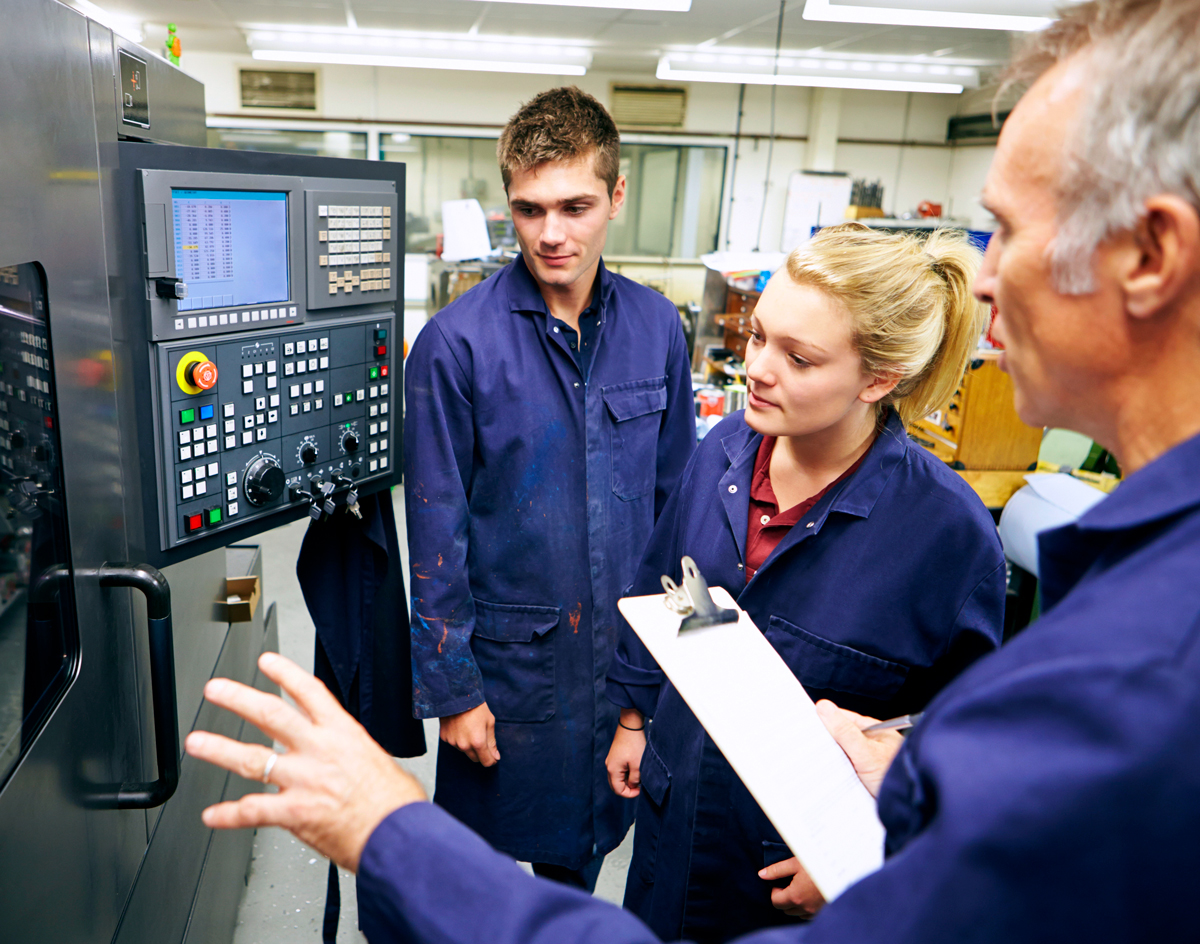
One effective strategy is mentorship. Pairing newer employees with experienced workers allows them to learn not only technical tasks but also workplace expectations—how to communicate with supervisors, how to troubleshoot problems, and how to collaborate effectively with coworkers.
CLEAR eXPECTATIONS:
Clear expectations also matter. Employers who emphasize punctuality, accountability, and communication from day one set the tone for workplace standards. Regular feedback and performance discussions help employees understand how their behavior affects the team and where they can improve.
TRAINING:
Training programs can also incorporate soft skills alongside technical instruction. Many community colleges and workforce development programs are increasingly emphasizing teamwork, leadership, and communication within their technical courses. Employers who partner with these institutions can help ensure graduates enter the workforce better prepared for real-world environments.
IN SUMMARY:
For rural manufacturers, investing in soft skills development is particularly important. In smaller communities, businesses often compete for the same limited workforce. Companies that cultivate strong workplace cultures—where employees feel supported, respected, and encouraged to grow—are far more likely to retain talent.
Ultimately, machines and technology may drive production, but people drive success. Employers who recognize the importance of soft skills, hire with them in mind, and actively train for them will not only build stronger teams, but also position their organizations for long-term growth in an increasingly competitive labor market.